
Elder Abuse Awareness
WHAT IS ELDER ABUSE?
The Centers for Disease Control & Prevention defines Elder Abuse as “an intentional act or failure to act that causes or creates a risk of harm to an older adult” (age 60 or older.)
The U.S. Department of Justice indicates that 1 in 10 adults over 60 experiences some form of abuse each year, but that only 1 in every 24 cases is ever reported. Elder Abuse can happen anywhere, including the older person’s home, an assisted living facility or nursing home. The abusers can be anyone, including family members, caregivers, strangers, or friends.
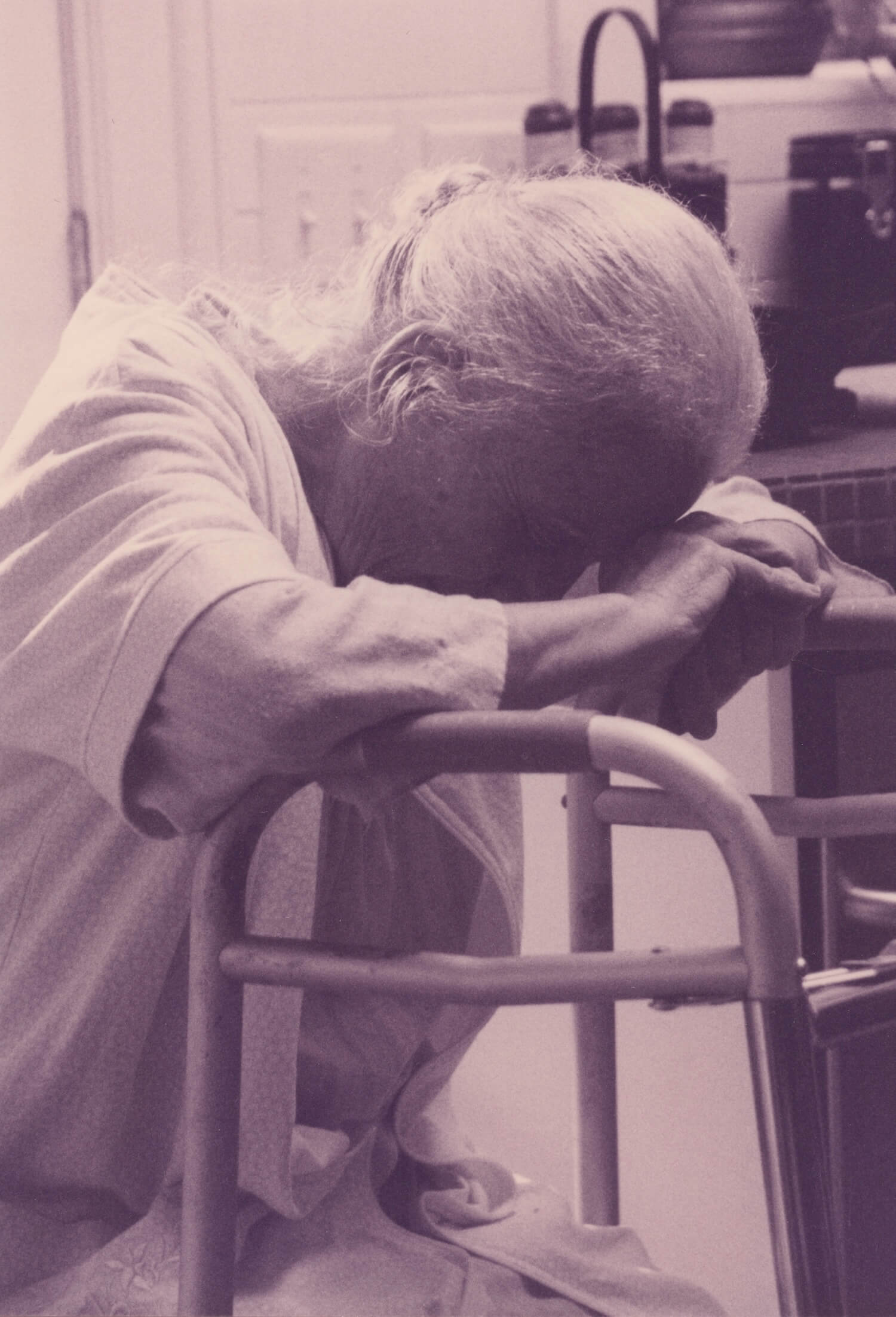
TYPES OF ELDER ABUSE
- Physical Abuse means inflicting physical pain or injury upon an older adult.
- Sexual Abuse involves forcing an older adult to watch or be a part of sexual acts.
- Emotional/psychological Abuse means verbal assaults, threats of abuse, harassment, or intimidation.
- Neglect occurs when a caregiver does not try to respond to the older adult’s needs. Neglect may include ignoring physical, emotional, and social needs, or withholding food, medications, or access to health care.
- Abandonment is leaving an older adult, who needs help, alone without planning for their care.
- Financial Exploitation means the misuse or withholding of an older adult’s resources by another.
HELP FOR VICTIMS
Often an older adult is reluctant to report mistreatment. They may fear that if they make a report, it will get back to their abuser and make the situation worse.
If you suspect an older person is being abused, report what you see to an authority so that professionals can investigate. There are many local, state and national social services that can help. These include:
- Adult Protective Services: provides phone numbers for programs in each state on its website or by calling (202) 370-6292.
- The National Center on Elder Abuse: provides guidance on where to get help. (855) 500-3537.
- Long-Term Care Ombudsmen: advocate for persons living in assisted living and nursing homes. To find an ombudsman in your state call: (202) 332-2275.
- ELDERCARE LOCATOR HOTLINE: (800) 677-1116 is funded by the U.S. Admin. On Aging and is a trusted gateway to find assistance in your area. (This number is at the end of all our video PSA’s)
WORLD ELDER ABUSE AWARENESS DAY
World Elder Abuse Awareness Day (WEAAD) was launched on June 15th, 2006 by the International Network for the Prevention of Elder Abuse (INPEA) and World Health Organization (WHO). In 2011 it became recognized as a United Nations Observance.
World Elder Abuse Awareness Day is held on June 15th every year throughout the world. In support of the United Nations International Plan of Action acknowledging the significance of Elder Abuse as a public health and human rights issue, WEAAD provides an opportunity for world communities to promote an understanding of abuse and neglect of older adults by increasing awareness of the cultural, economic, and social demographic processes affecting Elder Abuse.
WEAAD June 15th serves as a call to action for individuals, organizations and communities to educate each other on how to identify, address, and prevent Elder Abuse.